Reviewed · PRIVATE
Private Yucatan Discovery Tour
The best thing about this four-day Yucatan tour is its range. In one trip, you move from flamingo country and salt lakes to Maya temples, colonial streets, a working-era hacienda, and a cool underground cenote. Guide Salvador is named often as a friendly, polished host who explains the region without turning every stop into a lecture.
I especially like the mix of nature and culture, and I like that the trip can finish at the Riviera Maya hotel of your choice instead of returning you to Playa del Carmen. The main drawback is the pace: four days cover a huge amount of ground, so expect early starts, long drives, heat, and plenty of walking.
In This Review
- Key points
- Why four days works better than four separate day trips
- Day 1: Flamingos, salt lakes, and Valladolid’s Franciscan past
- Day 2: Ek Balam first, then the grand scale of Chichen Itza
- Day 3: Hacienda history, a cenote swim, and Uxmal’s Puuc architecture
- Day 4: Coba’s jungle setting and Tulum by the Caribbean
- What the private guide adds
- Hotels, transport, and the real value
- Who should book this Yucatan tour
- FAQ
- How long is the Private Yucatan Discovery Tour?
- Where does the tour begin?
- Is pickup from Puerto Morelos or Cancun available?
- Which Maya archaeological sites are included?
- Can I end the tour at a Riviera Maya hotel?
- What happens if bad weather cancels the tour?
Key points
- Rio Lagartos wildlife trip: Look for flamingos, herons, pelicans, fishing eagles, crocodiles, and raccoons among the mangroves.
- Less-crowded Maya sites: Ek Balam gives you a quieter archaeological experience, with buildings that may be open for climbing.
- Big-name ruins included: Chichen Itza, Uxmal, Coba, and Tulum each show a different side of Maya architecture and setting.
- A useful route: The tour connects inland Yucatan with the Riviera Maya, saving you from repeated drives back to the coast.
- Private and flexible: Only your group participates, making it easier to adjust the pace for children or changing daily conditions.
- Hotels are part of the value: Overnight stays in centrally located Merida and other selected hotels make this more than a series of day trips.
Why four days works better than four separate day trips
The Yucatan Peninsula is wide, and its best sights are scattered across it. A single day trip from Playa del Carmen can take you to Chichen Itza or Tulum, but trying to see Rio Lagartos, Uxmal, Merida, and the western sites from one beach base means many hours in a vehicle.
This route solves that problem by moving you through the region. You can spend time in inland cities, sleep near the sights, and end back on the Riviera Maya. That is a real advantage if you want more than a quick ruin visit.
The private format also changes the feel of the trip. You are not tied to a large bus group, and the guide can respond to your group. Families with children have found Salvador patient and willing to adjust plans, while couples have appreciated the quiet space between explanations.
Still, do not mistake private for leisurely. The itinerary is ambitious. You will see a great deal, but you will not have endless free time at each stop. Bring curiosity, energy, and a willingness to start the day on schedule.
A few more Playa del Carmen tours worth weighing up
- VIP Chichen Itza Private Tour
★ 5.0 · 1,782 reviews - Skip the Line Chichen Itza Private Tour, Sacred Cenote & Lunch
★ 5.0 · 1,089 reviews - Private Tulum Ruins, Turtles in Akumal and Cenote Adventure
★ 5.0 · 581 reviews
Day 1: Flamingos, salt lakes, and Valladolid’s Franciscan past
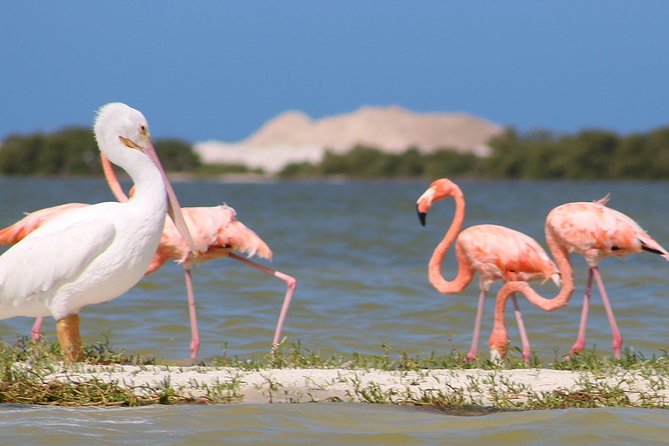
The opening day heads toward the northern coast and the Rio Lagartos Biosphere. The first major photo stop is Las Coloradas, famous for its pink salt ponds. The color comes from algae, plankton, and brine shrimp living in the salty water. Those shrimp also help explain the pink feathers of the flamingos that feed in the area.
This is a striking place for photographs, especially with the blue sky above the magenta water. The visit also gives you a look at the salt industry and the coastal setting where flamingos gather. Keep your expectations sensible, though. The color can vary with weather, sunlight, and conditions, so the ponds may not always look exactly like a postcard.
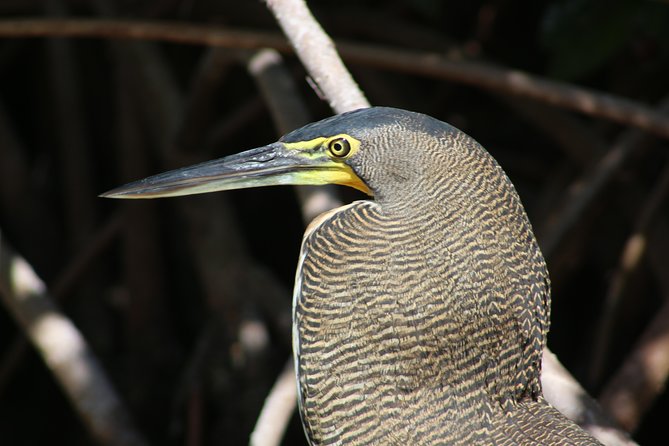
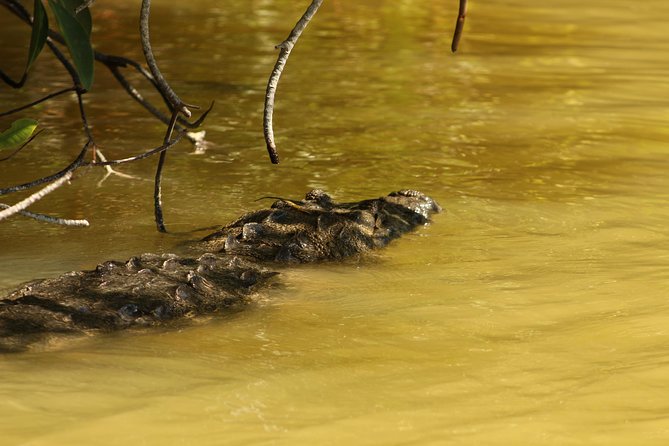
The schedule lists both Las Coloradas and Rio Lagartos, with the wider biosphere visit taking about four hours. That longer portion includes a boat ride through mangroves and coastal channels. You may spot herons, pelicans, fishing eagles, flamingos, crocodiles, and raccoons.
The boat trip is valuable because it adds wildlife to a tour otherwise centered on monuments and cities. You are not just looking at Maya stonework. You are seeing the natural systems that have shaped life along the Yucatan coast. Wildlife sightings are never guaranteed, but crocodiles and flamingos are among the possible highlights.
Later, the route reaches Valladolid and the Convent of San Bernardino de Siena. This Franciscan building dates to the early period of Spanish rule and Christianization in the Maya region. Its importance is not only architectural. It represents the collision of Spanish religious power and Maya culture, a theme that runs through much of Yucatan history.
A stop of about an hour is enough to appreciate the convent without letting colonial history take over the whole trip. If Valladolid is included in your exact arrangement, it is worth making time for the city itself. Its central streets and colonial character offer a pleasant contrast to the rural coast and archaeological sites.
Day 2: Ek Balam first, then the grand scale of Chichen Itza
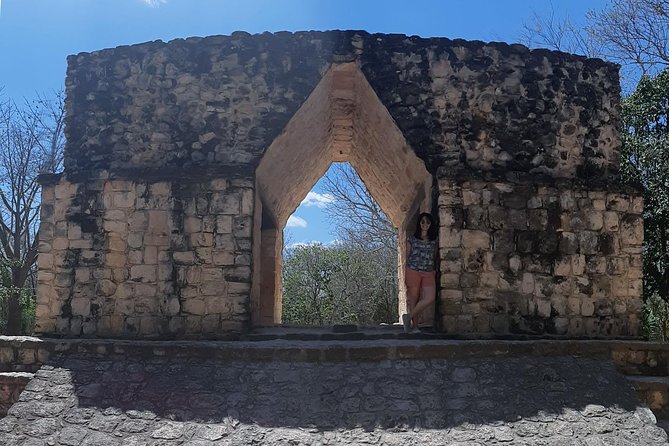
Day two begins around 8:30 a.m. with Ek Balam, whose name is translated as Star Jaguar or Dark Jaguar. The site is known for the Acropolis and the tomb of the ruler Ukit Kan Le’k Tok.
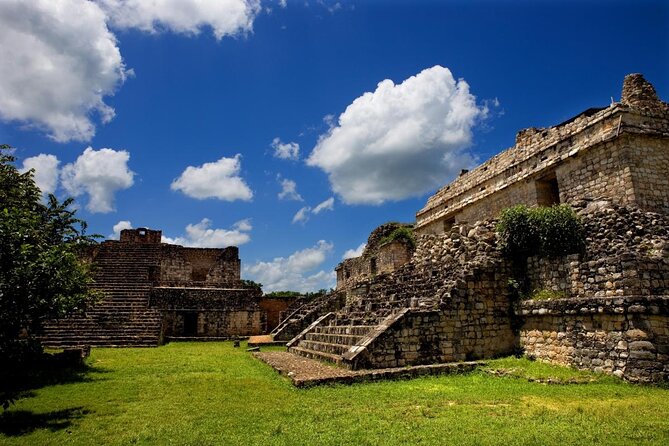
Ek Balam is a smart first stop because it tends to feel more personal than the most famous Maya centers. The buildings are impressive, but the site is less dominated by the crowds and scale associated with Chichen Itza. You may also be able to climb some structures here, a major benefit for anyone who wants a closer physical sense of Maya construction.
The Acropolis is the focus. Its monumental size and carved details help you picture Ek Balam as a major political center, not simply an isolated ruin in the forest. Wear shoes with a firm grip and be ready for uneven ground and stairs.
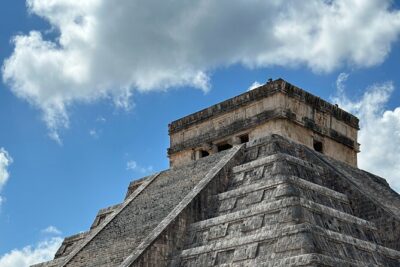
Then comes Chichen Itza, one of the best-known archaeological sites in Mexico and named among the modern Seven Wonders of the World. The Pyramid of Kukulcan is the star attraction, but the site includes much more, including the sacred cenote used for offerings and sacrifices.
Chichen Itza can feel grand and busy compared with Ek Balam. Its fame is deserved, but the scale of the site and the number of people around its main structures can make the visit feel less quiet. A private guide is particularly useful here because Salvador can place the buildings within Maya religion, astronomy, politics, and daily life instead of leaving you with a few names and dates.
The scheduled visit is about two hours. That is enough for the main areas and an introduction to the site, but not enough for an unhurried study of every structure. If you want to examine every detail, you may find the pace brisk.
The night is spent at a boutique hotel in central Merida. This is one of the tour’s strongest design choices. Rather than driving back to the coast after Chichen Itza, you get an evening in Yucatan’s capital and a comfortable base for the next day.
Day 3: Hacienda history, a cenote swim, and Uxmal’s Puuc architecture
Day three links three very different experiences. At Hacienda Yaxcopoil, you encounter the three broad chapters of Yucatan’s past: pre-Hispanic life, the colonial period, and the henequen boom of the late nineteenth and early twentieth centuries.
The hacienda’s name means place of the green poplars in Maya. Founded in the seventeenth century, it provides context for the economic and social changes that shaped the region long after the Maya cities had declined.
This stop matters because ruins alone can make Yucatan history seem frozen in the distant past. A hacienda shows how land, labor, agriculture, Spanish rule, and later export wealth affected the peninsula. The one-hour visit keeps it focused, but Salvador’s explanations can help connect the buildings to the larger story.
Next comes Hacienda Mucuyche, where you can swim in an underground cenote. After hot walks at archaeological sites, this is a welcome change of pace. Cenotes are natural sinkholes and water-filled caverns, and a swim here gives you a direct encounter with the limestone geology beneath the peninsula.
Bring swimwear, a towel, and a change of clothes. The information provided confirms the swim but does not specify every facility or changing arrangement, so it is wise to keep your belongings organized and carry only what you need to the water.
The cenote is not just a photo stop. It gives the day a physical, refreshing break, and it helps explain why underground water has always mattered in a region with few surface rivers. Families have especially enjoyed cenote swims, though you should consider the comfort and swimming ability of everyone in your group.
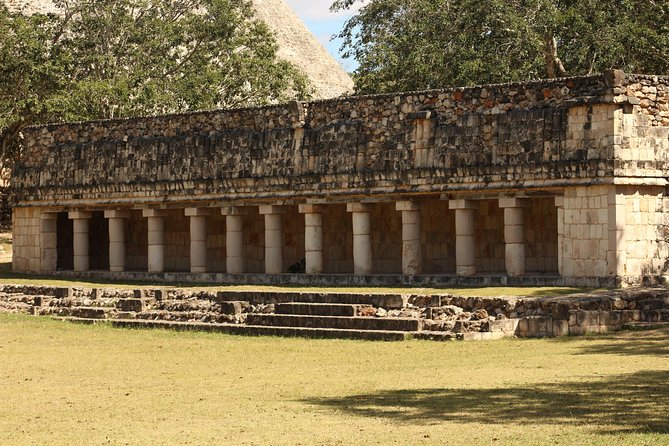
The afternoon visit is Uxmal, one of the great Maya sites of the Puuc region and a UNESCO World Heritage Site. Its Pyramid of the Magician, also called the Adivino, has an unusual oval plan. That shape makes Uxmal feel different from Chichen Itza, where the famous pyramid is more rigid and geometric.
Give Uxmal the full two hours listed. The site rewards close attention to its stonework, building proportions, and decorative style. It also tends to offer a calmer experience than Chichen Itza, although conditions can still be hot and exposed.
You finish the day with a short Merida city tour and a visit to the Cathedral of Merida. The cathedral adds another layer to the region’s story, showing how Spanish colonial power reshaped an important Maya area. The city itself is large, historic, and rewarding enough to deserve more than a rushed pass-through.
The tour allows two evenings in Merida according to the described arrangements, which is useful. You can see the center after the day’s sightseeing and get a better sense of the city than you would on a brief daytime stop.
A different side of Playa del Carmen on the same trip:
- From Playa del Carmen ATV Adventure with Ziplines, Cenote
★ 5.0 · 2,041 reviews - Playa del Carmen Buggy Tour with Cenote Swim and Mayan Village Visit
★ 5.0 · 1,747 reviews - Playa del Carmen Walking Food Tour
★ 5.0 · 1,274 reviews - Jungle Buggy Tour from Playa del Carmen Including Cenote Swim
★ 5.0 · 1,253 reviews
Day 4: Coba’s jungle setting and Tulum by the Caribbean
The final day turns east toward Coba. The site lies beside four natural lakes and is associated with Nohoch Mul, a pyramid said to reach 42 meters, making it the tallest temple in the Yucatan Peninsula.
Coba differs from the other ruins because of its setting among trees and its broad network of former roads. The site can feel more spread out, and the route mentions the possibility of meeting with a guide and using local transport within the area. One especially memorable option described for the tour is biking through the jungle at Coba, though you should confirm what is included in your specific booking.
The main reward here is scale and setting. Chichen Itza is monumental, Uxmal is known for its Puuc design, and Ek Balam offers a quieter climbable site. Coba gives you a sense of a large Maya urban center linked by roads through the forest.
Conditions can change quickly in the tropics. One account of the trip recalls cycling at Coba while thunder rolled overhead, which captures both the fun and the unpredictability of the setting. Pack light rain protection and keep your schedule flexible.
Tulum closes the archaeological portion of the tour. The walled Maya city sits on a cliff above the Caribbean Sea, giving it a setting unlike the inland sites. The ruins are not as large as Chichen Itza or Uxmal, but the combination of stone buildings, walls, and sea views makes Tulum an effective final stop.
The listed visit is about one hour. That is enough for the principal structures and the cliffside setting, but you should not expect a full archaeological study. Tulum is often hot and exposed, so water, sun protection, and a hat are sensible.
After Tulum, the guide transfers you to your selected hotel in the Riviera Maya area. This finish is practical if you are adding beach time after the tour. It also means you do not pay for a return journey to the starting point or lose another day changing bases.
What the private guide adds
A strong guide is central to this experience. Salvador is described as professional, friendly, relaxed, humorous, and fluent in English, Italian, and Spanish. He is also credited with explaining not only the monuments, but Mexican politics, society, economics, wildlife, plants, and local culture.
That breadth matters on a route this varied. At Chichen Itza, you need more than the name of the pyramid. At a hacienda, you need context for the henequen economy. At Rio Lagartos, you want help identifying birds and understanding why the flamingos are pink.
I also like the reported balance between explanation and personal space. A private guide should not follow you with a nonstop speech. The best arrangement gives you useful background, then time to look, take photographs, or simply sit quietly.
For families, Salvador’s patience with children is a clear plus. The trip can also be adjusted to suit the group and daily conditions, though the broad route remains demanding. Confirm your preferred stops and hotel arrangements before departure, especially if you want time in Valladolid, a particular cenote, or a specific final destination.
Hotels, transport, and the real value
The tour includes overnight stays, with a boutique hotel in central Merida specified for the second night and other selected hotels described as comfortable, well located, and reasonably priced. Some are noted as having pools, which is welcome after a hot day outdoors.
The price is not provided here, so I cannot judge the exact cost. I can judge the structure: you are paying for a private vehicle, a guide, admission to the listed sites, hotel planning, and a route that reduces wasted driving. For a family or two couples, that can be better value than booking several separate excursions and arranging hotels yourself.
Pickup is offered, with the start time listed as 8:00 a.m. Pickup from Puerto Morelos to Cancun carries a transportation fee of 40 USD per group. The tour is offered in English, and only your group participates.
Most people can take part, and service animals are allowed. The combination of ruins, stairs, uneven ground, boat travel, heat, and cenote swimming means you should judge the physical demands for your own group. The provided information does not promise wheelchair access or step-free transport.
The cancellation terms are strict close to departure. Cancel at least six full days before the start for a full refund, two to six days before for a 50 percent refund, and less than two days before for no refund. Poor weather may lead to a new date or a full refund.
Who should book this Yucatan tour
I would choose this tour if you want a broad first look at the peninsula and prefer one well-organized journey over a stack of day trips. It suits couples, families, and small groups who care about culture, wildlife, ruins, and local context in equal measure.
You should also book it if you value flexibility and a private guide. Salvador’s reported mix of patience, humor, safety, and detailed explanations is one of the strongest reasons to consider this particular operator.
I would hesitate if you want long, lazy mornings or several hours at every ruin. The route is packed, the drives are real, and some stops are short. If your priority is only Chichen Itza and Tulum, a shorter tour may be enough.
For most people with four days to spare, though, the route makes good sense. You get the flamingos of Rio Lagartos, the pink ponds of Las Coloradas, four major Maya sites, Merida, a hacienda, and a cenote, then finish near the Caribbean. That is a lot of Yucatan in one carefully connected trip.
FAQ
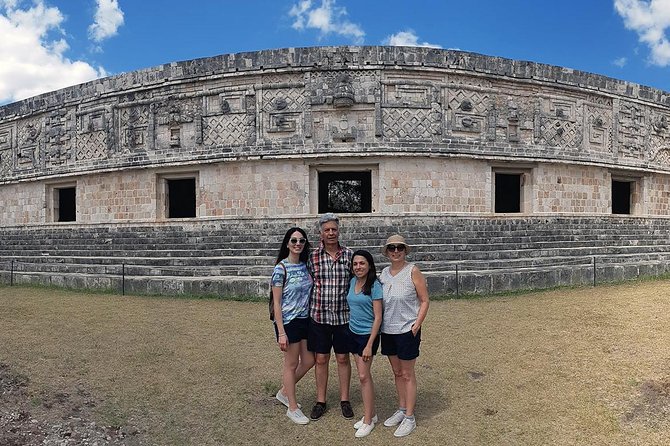
How long is the Private Yucatan Discovery Tour?
The experience lasts approximately four days and includes overnight stays during the route.
Where does the tour begin?
The tour begins with pickup from the Playa del Carmen area. The listed start time is 8:00 a.m.
Is pickup from Puerto Morelos or Cancun available?
Pickup from Puerto Morelos to Cancun is available with a transportation fee of 40 USD per group.
Which Maya archaeological sites are included?
The route includes Ek Balam, Chichen Itza, Uxmal, Coba, and Tulum.
Can I end the tour at a Riviera Maya hotel?
Yes. After visiting Tulum, you are transferred to your selected hotel in the Riviera Maya area.
What happens if bad weather cancels the tour?
If poor weather causes cancellation, you are offered a different date or a full refund.
Just added around Playa del Carmen
- Bacalar Lagoon! Kayaks & Cenote Azul From Playa Del Carmen★ 3.0 · 3 reviews
- Isla Mujeres Catamaran Unlimited! Transportation from Playa del Carmen★ 4.5 · 3 reviews
- Full-Day Adventure: Tulum, Cobá, Mayan Village & 5th Avenue★ 3.0 · 3 reviews
- Tour To Bacalar And The Lagoon Of The 7 Colors From Playa Del Carmen And Riviera★ 4.5 · 3 reviews
- Riviera Maya: Parasailing Tour with Beach Club Access★ 3.3 · 3 reviews
- Snorkeling Experience with Turtles in Cenote in Riviera Maya★ 4.5 · 3 reviews
- Private Transfer to Xcaret Park, Roundtrip from Playa del Carmen★ 3.5 · 3 reviews
- Discover the essence of playa del carmen: tequilera, jewelry and 5th avenue.★ 3.1 · 3 reviews
Private, compared.
Skip the Line Chichen Itza Private Tour, Sacred Cenote & Lunch
Read our review →
4 Private Cenotes, Zip-Lines, Canoes & Mayan Village with Delicious Lunch
Read our review →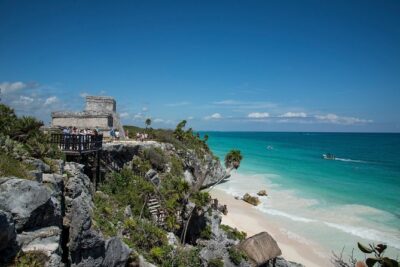
Private Tulum Ruins, Turtles in Akumal and Cenote Adventure
Read our review →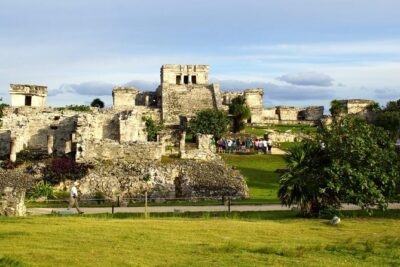
Private Chichen Itza – No additional stops at other hotels
Read our review →
4 hours – Private 48ft Yacht all inclusive in Tulum and Playa del Carmen
Read our review →