
Reviewed · COOKING CLASSES
PDC Traditional Mexican Cooking Experience
At this Playa del Carmen cooking class, you prepare real Mexican dishes in a restaurant kitchen instead of simply watching a chef assemble guacamole. Francisco leads the lesson in English, with help from Liliana and another assistant, and explains how regional ingredients, corn, and chiles shape Mexican food.
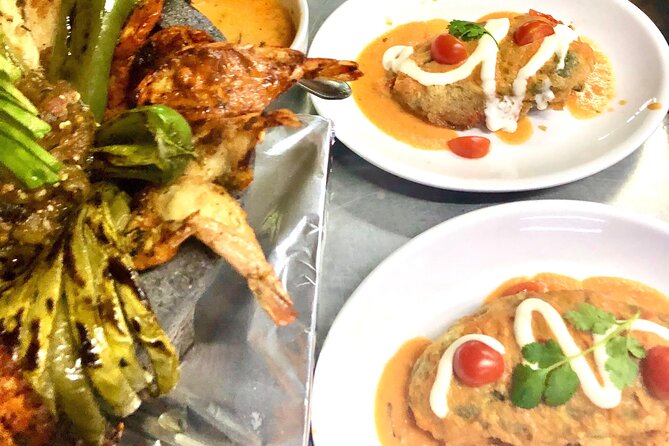
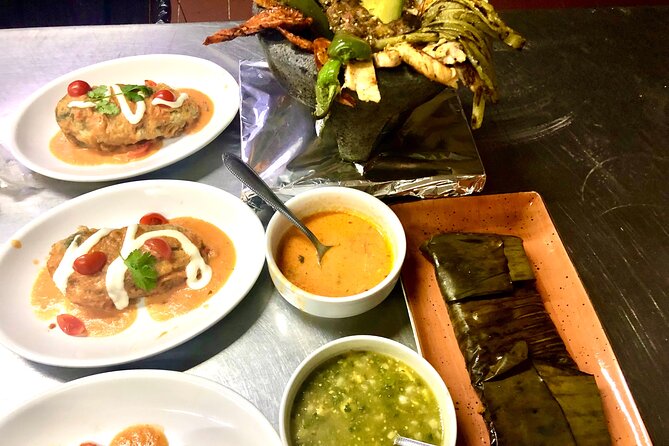
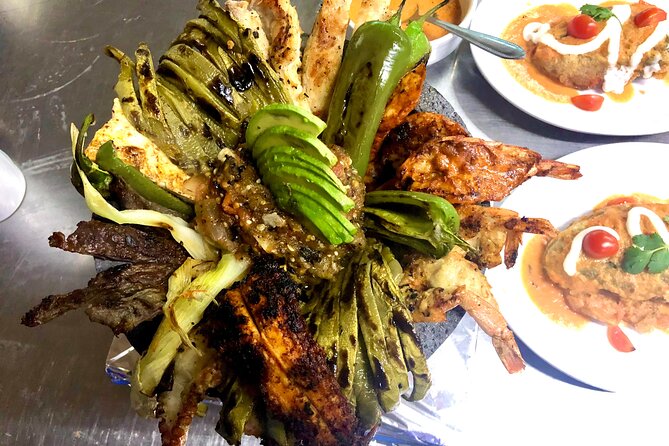
I like the hands-on menu, which can include tamales, chiles rellenos, mole, or a surf-and-turf molcajete with octopus, shrimp, flank steak, and chicken. I also like the small group limit of 12, plus the easygoing care shown by the assistants, who keep the work area tidy and the aguas frescas flowing.
The main consideration is that the menu changes from session to session, and lobster or red snapper costs extra. This is a food-focused morning, not a sightseeing tour, so you should book it for cooking, eating, and cultural context rather than Playa del Carmen landmarks.
In This Review
- Key points to know before booking
- A Mexican cooking class with more than the standard tourist menu
- Meeting Francisco at Town Hall Plaza at 9:00 a.m.
- Starting with aguas frescas and antojitos mexicanos
- Making a menu that changes from class to class
- The volcanic-stone molcajete is the memorable centerpiece
- Francisco, Liliana, and a kitchen that keeps moving
- What the 12-person limit means for you
- Value: a meal, supplies, instruction, and local context
- Who should book this Playa del Carmen experience
- My verdict on the traditional Mexican cooking class
- FAQ
- How long does the cooking experience last?
- What time does the class begin?
- Where does the experience start and finish?
- Is the cooking class offered in English?
- How many people can join the class?
- What is included in the cooking class?
- Can I cancel for a full refund?
Key points to know before booking
- Francisco teaches the class in English, combining cooking instructions with background on Mexico’s regional food traditions.
- You prepare several dishes, not just the usual salsa and guacamole, with possible recipes including tamales, chiles rellenos, pipian, mole, and a Cielo, Mar y Tierra molcajete.
- The molcajete is a volcanic rock mortar, used for a substantial dish of octopus, shrimp, flank steak, and chicken.
- Liliana and the assistants keep the class moving, help with preparation, and provide aguas frescas while you cook.
- The class lasts about three and a half hours, begins at 9:00 a.m., and ends back at Town Hall Plaza.
- The group can include up to 12 people, giving you a better chance to ask questions and take part at the workstations.
A Mexican cooking class with more than the standard tourist menu
Many cooking classes in resort towns stay with familiar crowd-pleasers. This one aims higher. You may work with tamales, pipian, mole, chiles rellenos, and a molcajete dish that combines seafood, meat, and chicken.
That matters because Mexican cooking is not one fixed style. Food changes from region to region, and the class uses that idea as its starting point. Francisco explains how pre-Hispanic ingredients and Spanish influences came together in what are now called antojitos mexicanos.
You will also hear why corn and chile peppers are so central to the cuisine. The lesson is not a formal history lecture, but it gives the food a useful setting. You learn that a dish is tied to cooking methods, local ingredients, and family traditions, not just a list of steps.
I appreciate that balance. You get enough cultural background to understand what you are making, then return to the practical work of chopping, filling, seasoning, and cooking.
A few more Playa del Carmen tours worth weighing up
- Playa del Carmen Mexican Cooking Class
★ 5.0 · 306 reviews - Mexican Cooking Class 1 or 3 Courses Tequila and Mezcal Tasting
★ 5.0 · 151 reviews - Authentic Mexican Cooking Class in Playa del Carmen
★ 5.0 · 34 reviews
Meeting Francisco at Town Hall Plaza at 9:00 a.m.
The experience starts at Town Hall Plaza on Calle 8 Norte in Playa del Carmen’s Gonzalo Guerrero area. The listed start time is 9:00 a.m., and the activity finishes at the same meeting point.
That early start is useful. A three-and-a-half-hour cooking class can take up much of the morning, so beginning at 9:00 leaves room for lunch or an afternoon at the beach. It also means you should plan to arrive ready to begin rather than treating the meeting time as a loose suggestion.
The meeting point is near public transportation. No hotel pickup is listed, so you need to make your own way to Town Hall Plaza. The mobile ticket is convenient if you keep your booking confirmation on your phone.
From there, the class moves into a restaurant kitchen. This gives the session a working-kitchen feel rather than the polished setup of a television cooking studio. You should expect an active lesson, with several dishes being prepared at different stages.
Starting with aguas frescas and antojitos mexicanos
The first food work centers on aguas frescas and antojitos mexicanos. Aguas frescas are fruit-based refreshments, and they are served during the class to keep you hydrated while you cook.
One particularly appealing detail is the mention of a minted fruit drink. The recipe and flavor may vary, but this gives you a taste of the kind of refreshing drink commonly served alongside Mexican food. It is a small part of the class, yet it helps show that the meal includes more than the main plate.
Antojitos are small Mexican dishes shaped by both pre-Hispanic and Spanish influences. They make a good starting point because they introduce basic flavors and techniques before the more involved main course.
You will not simply sit down to sample them. The goal is to take part in preparing several dishes, with the ingredients and equipment supplied. The exact division of labor can vary with the group and menu, but the format is designed to keep you involved.
For first-time cooks, this opening section should feel approachable. You can get comfortable with the kitchen, ask Francisco questions, and begin to see how the ingredients will be used later.
Making a menu that changes from class to class
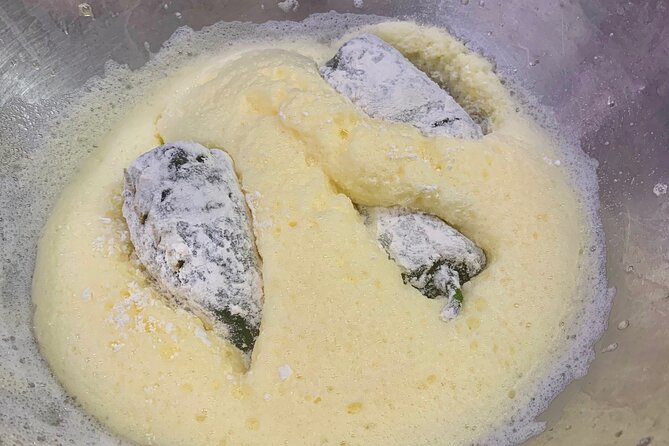
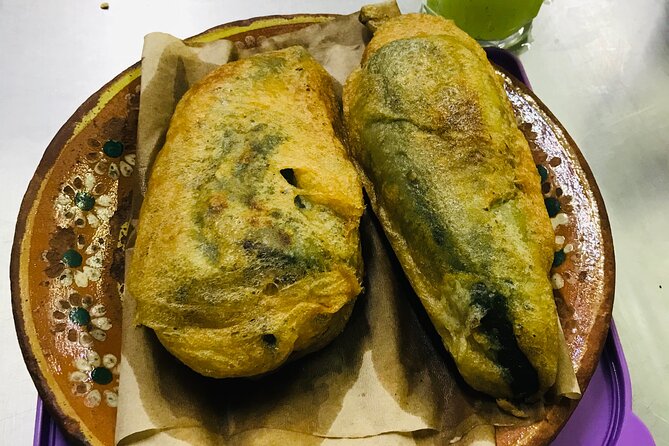
The main course is not fixed. Possible dishes include chiles rellenos, pipian, mole paste, and a Cielo, Mar y Tierra molcajete. That variety is one of the class’s strengths, but it also means you cannot book with the expectation of receiving one exact recipe every time.
Chiles rellenos usually center on stuffed chiles, while pipian and mole bring sauces with layered ingredients and seasoning. The class presents these as traditional dishes rather than simplified restaurant versions.
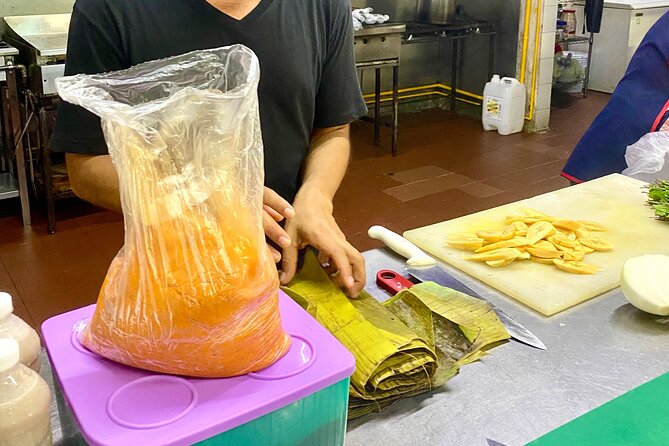
Tamales have also been part of the cooking session. If tamales are on your menu, allow yourself time for the process. They are not instant food, and preparing them can show you why they are associated with patience, careful assembly, and shared kitchen work.
The sample plan calls for three varieties of traditional dishes. That is a generous amount of cooking for a morning, especially when refreshments and explanations are included. You should expect a steady pace, with some components prepared ahead by the assistants so the whole group can finish and eat within the allotted time.
The changing menu is best viewed as part of the experience. Mexican cooking is broad, and a rotating selection can give repeat visitors a different lesson. The tradeoff is less control over what you will cook on your chosen date.
A different side of Playa del Carmen on the same trip:
- From Playa del Carmen ATV Adventure with Ziplines, Cenote
★ 5.0 · 2,041 reviews - VIP Chichen Itza Private Tour
★ 5.0 · 1,782 reviews - Playa del Carmen Buggy Tour with Cenote Swim and Mayan Village Visit
★ 5.0 · 1,747 reviews - Playa del Carmen Walking Food Tour
★ 5.0 · 1,274 reviews
The volcanic-stone molcajete is the memorable centerpiece
For seafood lovers and anyone who enjoys a hearty meal, the Cielo, Mar y Tierra molcajete is the most distinctive option described here. The name combines sky, sea, and land, reflected in a mixture of octopus, shrimp, flank steak, and chicken.
The dish is prepared in a molcajete, a volcanic rock mortar. That tool is more than a decorative serving bowl. It connects the cooking process to an older Mexican method of grinding and combining ingredients.
The combination of seafood and meat may not suit every palate. If you prefer a lighter meal or do not eat shellfish, you will want to pay close attention to the menu offered on your date. The available information does not promise a single fixed main dish, so ask the provider about substitutions before booking if that matters to you.
Red snapper or lobster may be available for an extra charge. That optional surcharge gives you a way to make the meal more special, but it also changes the value calculation. The standard class already includes several substantial proteins in the molcajete option, so the upgrade is a preference rather than a requirement.
Francisco, Liliana, and a kitchen that keeps moving
Francisco is the main host and instructor. His role goes beyond showing you how to follow a recipe. He explains Mexican cuisine in a friendly, accessible way and connects the food to local culture.
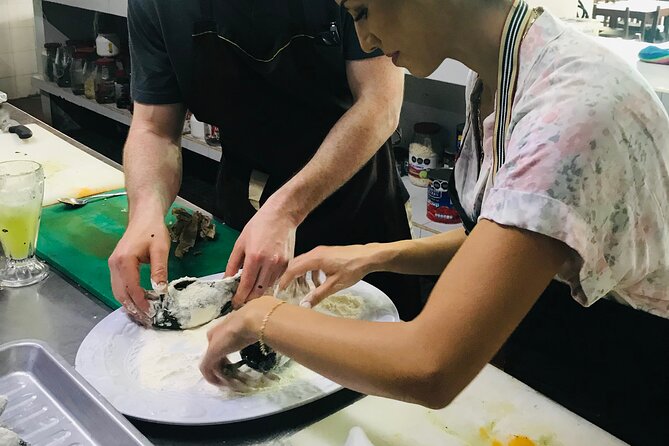
Liliana and the other assistants help prepare components, watch the cooking stations, and keep the work area under control. That support matters in a class with several recipes. Without it, a group of up to 12 people could spend too much time waiting for ingredients or equipment.
You can also expect help with timing. Some dishes need attention while others are being assembled, so the assistants help make sure the meal comes together in the right order. A mint-flavored fruit drink is provided during the cooking, which adds a practical touch during a long morning in the kitchen.
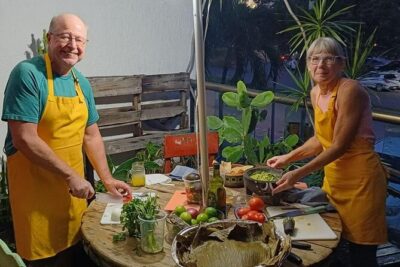
The class has a social side, too. You cook alongside other people and then eat with the team at the end. That family-style feeling is part of the appeal, especially if you like meeting people through food rather than sitting through a demonstration.
Leftovers can be packed for you if you want them. That is useful because three and a half hours of cooking can produce more food than you can comfortably eat on the spot.
What the 12-person limit means for you
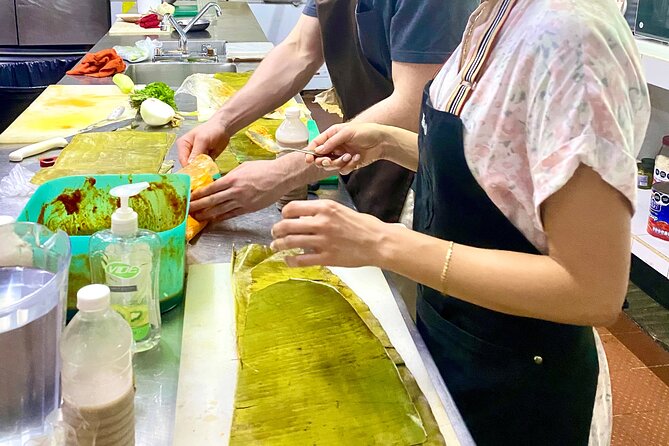
The maximum group size is 12. That is not a private lesson, but it is small enough to make questions practical and give the instructor room to monitor the work.
A smaller group also helps with the less glamorous parts of cooking. You can see what is happening, get assistance when a technique is unfamiliar, and avoid feeling lost while several dishes are in progress.
The class is hands-on, but your exact amount of individual work may depend on the menu and how tasks are divided. Some components may be prepared by Francisco or the assistants while you work on another part. That is normal for a group class and helps the meal stay on schedule.
If you want a quiet, private lesson with complete control over every step, this format may feel too social. If you enjoy cooking with others and asking questions as you go, the group size should suit you well.
Value: a meal, supplies, instruction, and local context
The price is not provided here, so I cannot judge it against a specific dollar amount. When you compare the class with other Playa del Carmen activities, look at what is included rather than judging it as a meal alone.
The package includes the cooking equipment, all ingredients needed for the lesson, and refreshments during the class. You also receive several hours of instruction, cultural background, and a prepared meal. Optional red snapper or lobster costs extra, so check the final total if you choose an upgraded protein.
The value is strongest for you if you would otherwise pay for a restaurant meal and separately book a cultural activity. This combines those two uses of your morning, with the added benefit of learning recipes you can try at home.
The class is less useful if you are mainly looking for a low-cost breakfast or a quick food tasting. It takes about three and a half hours, and the real payoff comes from taking part in the preparation.
A current rating of 4.4 from seven ratings suggests a positive but still limited record. I would treat that as encouraging rather than definitive. The detailed praise focuses on Francisco’s teaching, authentic recipes, the helpful assistants, and the relaxed sense of eating together. Those are the qualities most likely to determine your satisfaction.
Who should book this Playa del Carmen experience
I would recommend the class to curious eaters who want to understand Mexican food beyond restaurant menus. It suits couples, friends, and solo visitors who enjoy a social activity with a meal at the end.
It is especially good for you if:
- You want hands-on cooking instead of a chef demonstration.
- You are interested in regional Mexican food and the history behind ingredients.
- You like trying dishes such as tamales, mole, pipian, or chiles rellenos.
- You enjoy seafood and meat, and the molcajete menu appeals to you.
- You want a morning activity that ends at the original meeting point.
- You value instruction and cultural context as much as the food itself.
You may want to skip it if your schedule is tight, you dislike group cooking, or you need a guaranteed menu. The changing dishes are part of the charm, but they make this a poor match for anyone booking around one specific recipe.
Free cancellation is available if you cancel at least 24 hours before the 9:00 a.m. start time. Cancellations made inside that window are not refundable, and changes are not accepted during the final 24 hours.
My verdict on the traditional Mexican cooking class
I would book this if food is one of the main reasons you are visiting Playa del Carmen. Francisco, Liliana, and the kitchen team offer more than a quick lesson in tourist staples. You get a real look at how Mexican flavors work together, along with a meal you helped prepare.
The strongest reason to choose it is the menu’s range. Tamales, mole, chiles rellenos, and the octopus, shrimp, flank steak, and chicken molcajete offer far more substance than a basic salsa class.
Just confirm the menu and any extra seafood charges before you commit. If you are comfortable with that flexibility, this is a useful, tasty way to spend a morning and take a piece of Mexican cooking home with you.
FAQ
How long does the cooking experience last?
The class lasts approximately 3 hours and 30 minutes.
What time does the class begin?
The listed start time is 9:00 a.m.
Where does the experience start and finish?
You meet at Town Hall Plaza, Calle 8 Norte, Gonzalo Guerrero, 77710 Playa del Carmen, Quintana Roo, Mexico. The activity ends back at the same meeting point.
Is the cooking class offered in English?
Yes. The experience is offered in English.
How many people can join the class?
The maximum group size is 12 travelers.
What is included in the cooking class?
All required cooking equipment and ingredients are provided. Refreshments, including aguas frescas, are also provided during the class.
Can I cancel for a full refund?
Yes, if you cancel at least 24 hours before the local start time. Cancellations or changes made less than 24 hours before the start are not accepted, and the amount paid is not refunded.
Just added around Playa del Carmen
- Bacalar Lagoon! Kayaks & Cenote Azul From Playa Del Carmen★ 3.0 · 3 reviews
- Isla Mujeres Catamaran Unlimited! Transportation from Playa del Carmen★ 4.5 · 3 reviews
- Full-Day Adventure: Tulum, Cobá, Mayan Village & 5th Avenue★ 3.0 · 3 reviews
- Tour To Bacalar And The Lagoon Of The 7 Colors From Playa Del Carmen And Riviera★ 4.5 · 3 reviews
- Riviera Maya: Parasailing Tour with Beach Club Access★ 3.3 · 3 reviews
- Snorkeling Experience with Turtles in Cenote in Riviera Maya★ 4.5 · 3 reviews
- Private Transfer to Xcaret Park, Roundtrip from Playa del Carmen★ 3.5 · 3 reviews
- Discover the essence of playa del carmen: tequilera, jewelry and 5th avenue.★ 3.1 · 3 reviews
Cooking Classes, compared.
Mexican Cooking from Scratch in a Local Home in Tulum
Read our review →
Mexican Cooking Class 1 or 3 Courses Tequila and Mezcal Tasting
Read our review →
Authentic Mexican Cooking Class in Playa del Carmen
Read our review →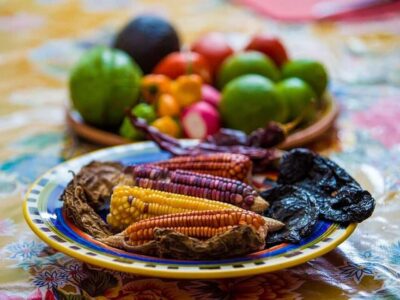
Cooking Class in Playa del Carmen: 9 Recipes & Bottomless Drinks
Read our review →
Browse the lists this tour appears in